
SERVICE-LEARNING
EXPERIENCE
Learning Through Service.
Growing Through Partnership.
Service-learning is a hallmark of INMED's educational philosophy, providing learners with opportunities to apply knowledge and skills in real-world healthcare settings while engaging with diverse communities and healthcare professionals around the world.
INMED partners with healthcare facilities, hospitals, clinics, and community organizations around the world to provide supervised service-learning experiences that strengthen professional skills while supporting local healthcare initiatives.
What Is Service-Learning?
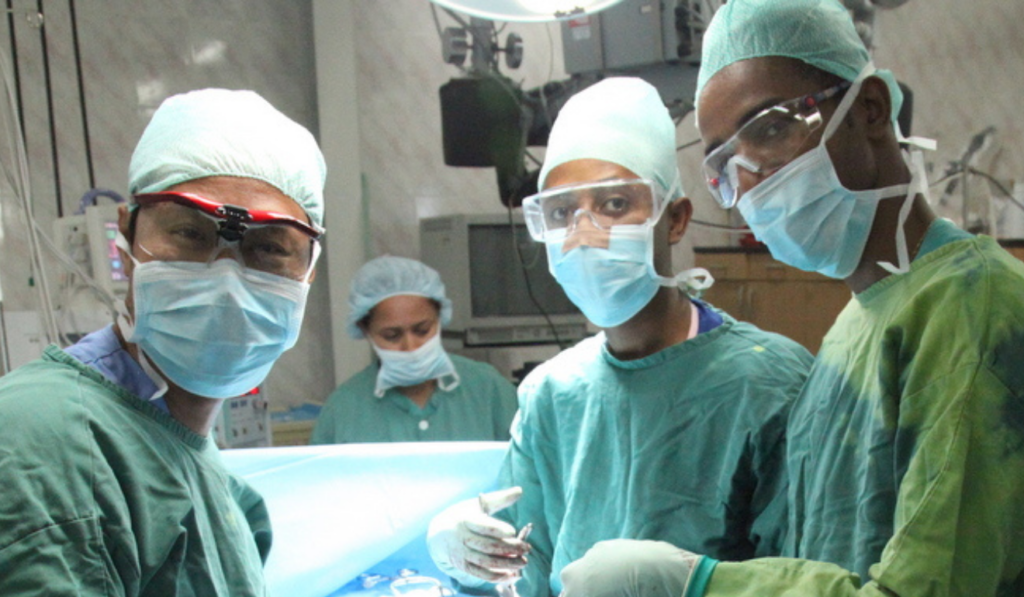
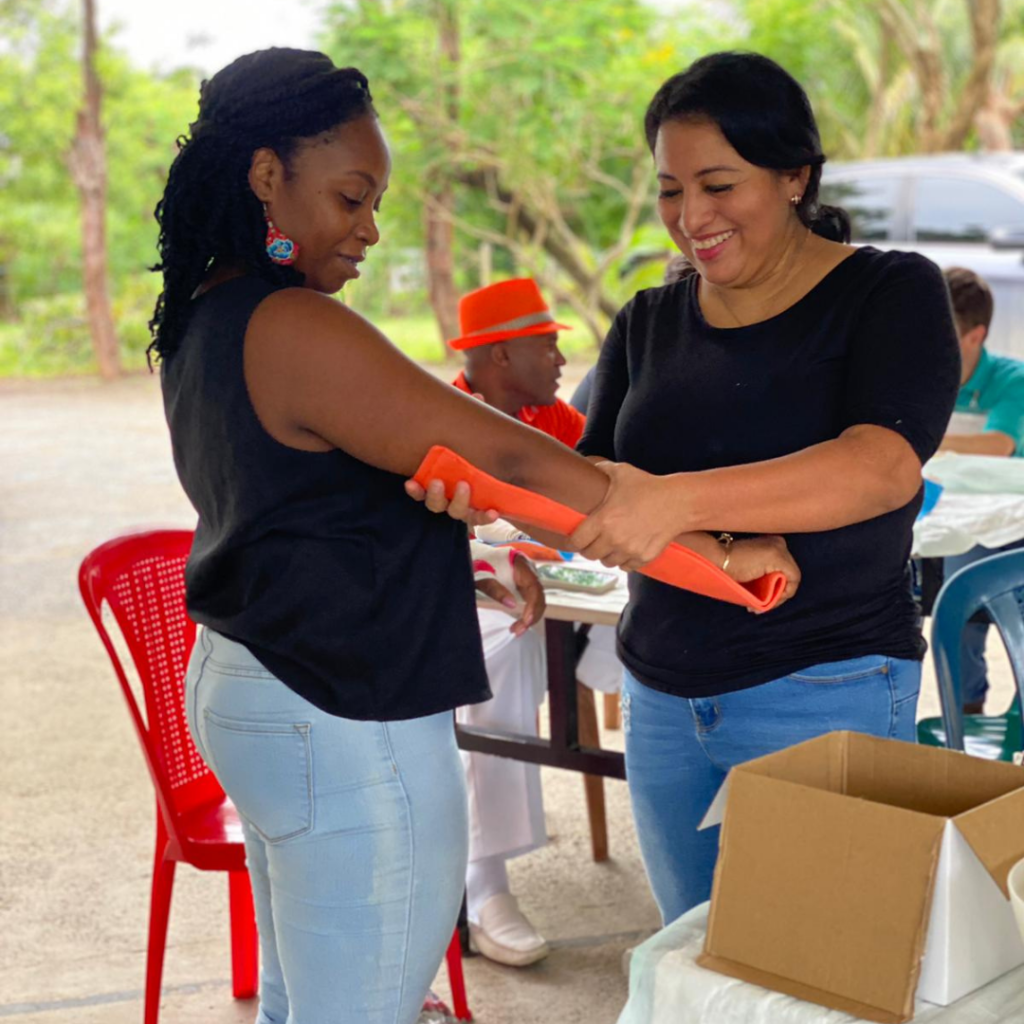
Service-learning combines academic learning with meaningful service in healthcare and community settings. Through supervised experiences, learners develop practical skills, cross-cultural competence, professional confidence, and a deeper understanding of global health challenges.
Why Service-Learning Matters
Strengthen Cross-Cultural Competence
Learn to serve effectively in diverse cultural, linguistic, and healthcare environments.
Develop Clinical & Professional Skills
Apply healthcare knowledge in real-world settings under appropriate supervision.
Expand Global Health Understanding
Gain firsthand exposure to healthcare systems, resource limitations, and community-based approaches to care.
Foster Ethical Service
Participate in experiences built on partnership, humility, respect, and mutual learning.
Explore Service-Learning Sites
Explore potential service-learning locations by country, healthcare discipline, or area of interest.
NOTE: Due to the individualized nature of each site, placement opportunities may be limited. Interested learners should contact INMED to discuss current availability of specific sites and dates.
- All
- Medicine
- Nursing
- Public Health
Angola – CEML Hospital
Founded as part of a broader effort to improve health and quality of life in Angola, CEML Hospital serves underserved communities through clinical care, public health initiatives, and healthcare workforce development. Located in Lubango, the hospital is particularly recognized for its surgical and ophthalmologic services and maintains active partnerships with rural facilities throughout the region. As Angola continues to rebuild and strengthen its healthcare system, CEML plays an important role in expanding access to quality care for vulnerable populations.
Learners work alongside Angolan and international healthcare professionals in a setting that emphasizes hands-on participation, mentorship, and service. Educational opportunities are especially strong in surgery, ophthalmology, pediatrics, and community health. Depending on language proficiency and clinical experience, learners may participate in a broad range of clinical activities while gaining insight into healthcare delivery in a resource-limited and post-conflict environment.
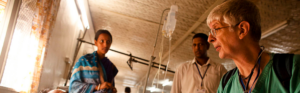
Bangladesh - Memorial Christian Hospital
Founded in 1966 by surgeon Dr. Viggo Olsen, Malumghat Hospital Project has grown into a respected center for healthcare, rehabilitation, and health professions education in southeastern Bangladesh. In addition to providing medical and surgical care, the institution is known for its prosthetics and rehabilitation services, community health initiatives, and the Memorial Christian College of Health Sciences, which prepares future healthcare professionals for service throughout the country.
Learners benefit from a highly educational environment where clinical training is integrated with community outreach and healthcare workforce development. Opportunities include exposure to surgery, maternal-child health, rehabilitation services, community health programs, and professional education initiatives. The combination of direct patient care and long-term community impact provides a distinctive learning experience in global health.
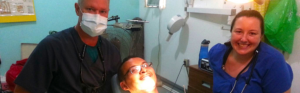
Belize - Presbyterian Medical Clinic
The Presbyterian Medical Clinic (PMC) is a Christian healthcare ministry located in the village of Patchakan in northern Belize near the Mexican border. Since opening in 1992, the clinic has served people from diverse cultural, linguistic, and economic backgrounds while remaining committed to accessible, community-centered healthcare. Supported by the Presbyterian Church of Belize and Mission to the World, the clinic begins each day with staff devotions and prayer while welcoming patients of all faiths and backgrounds. Participation in Belize’s National Health Insurance program has helped strengthen long-term sustainability and expand access to care for surrounding communities.
Learners work alongside Belizean healthcare professionals in a rural, multicultural setting where healthcare access is often influenced by transportation, economic, and geographic factors. The experience provides valuable insight into community-based healthcare delivery, cross-cultural practice, and the challenges and opportunities of serving resource-limited populations.
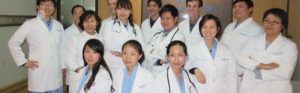
China - H'Image Doctor Clinic
H’image is dedicated to strengthening healthcare through education, mentorship, and professional development. Rather than focusing primarily on direct patient care, the organization works to equip healthcare professionals with the knowledge, skills, and relationships necessary to improve healthcare delivery within their own communities. Its long-term approach emphasizes capacity building and sustainable impact through education.
Learners participate in a collaborative environment centered on teaching, mentorship, and professional exchange. Opportunities often include healthcare education, leadership development, clinical discussions, and relationship-based learning with healthcare professionals from diverse backgrounds. This site is especially valuable for those interested in healthcare workforce development and the long-term strengthening of healthcare systems.
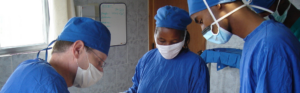
Ethiopia - Soddo Christian Hospital
Soddo Christian Hospital serves communities in southern Ethiopia through comprehensive medical care, surgical services, and healthcare education. Since opening in 2005, the hospital has become an important regional healthcare resource while supporting the training of future healthcare professionals through residency and nursing education programs.
Learners participate in a highly educational environment that includes surgery, ophthalmology, inpatient medicine, obstetrics, and community-based healthcare. The hospital’s strong commitment to mentorship, residency training, and hands-on clinical experience makes it an outstanding setting for healthcare education in East Africa.

Ghana - Ankaase Methodist Hospital
Ankaase Methodist Hospital serves rural communities in central Ghana through a combination of clinical care, community outreach, and health promotion. As a ministry of the Methodist Church Ghana, the hospital is committed to providing accessible healthcare services while addressing the challenges faced by underserved populations in the surrounding region.
Learners work alongside Ghanaian healthcare professionals in outpatient, inpatient, obstetric, pediatric, and community health settings. The combination of broad clinical exposure, community engagement, and service to rural populations provides valuable experience in healthcare delivery within a resource-limited environment.
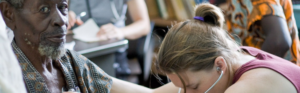
Ghana - Baptist Medical Center
Baptist Medical Center has become one of northern Ghana’s leading referral hospitals, providing comprehensive healthcare services to a large and diverse patient population. Known for its commitment to clinical excellence, education, and community engagement, the hospital plays an important role in improving healthcare access throughout the region.
Learners participate in a broad range of clinical activities including inpatient care, outpatient clinics, surgery, obstetrics, pediatrics, and community outreach. The hospital’s combination of high patient volume, strong teaching culture, and service to underserved populations offers an outstanding environment for healthcare training.

Guinea - Sacre Coeur Pediatric Clinic
Founded in 2019, Sacre Coeur Pediatric Clinic was established to address the critical shortage of pediatric healthcare services in Guinea. The clinic has quickly become a trusted resource for children and families seeking affordable, high-quality care, drawing patients from across the country. Its specialized focus on pediatrics, malnutrition, sickle cell disease, and childhood illnesses distinguishes it from many healthcare facilities in the region.
Learners work alongside Guinean and international healthcare professionals in outpatient, emergency, nutrition, and specialty pediatric services. The clinic’s structured clinical pathways, emphasis on evidence-based pediatric care, and partnership with the University of Texas Southwestern Medical Center create an exceptional environment for learners interested in child health, nutrition, and healthcare delivery in a resource-limited setting.

Honduras - Clinica Esperanza
Clinica Esperanza was established to provide affordable, accessible healthcare for underserved communities in Honduras. Through a combination of primary care services, preventive medicine, and community outreach, the clinic works to improve health outcomes while addressing barriers that often limit access to care.
Learners gain experience in outpatient medicine, health education, preventive care, and community-based healthcare. The clinic’s emphasis on relationship-centered care and service to vulnerable populations provides valuable exposure to primary care and public health in a low-resource setting.
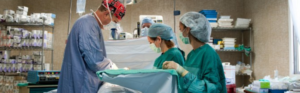
Honduras - Hospital Loma de Luz
Hospital Loma de Luz was established to provide quality healthcare services to underserved communities along the north coast of Honduras. Over time, it has developed into a respected mission hospital known for compassionate care, strong community relationships, and a commitment to serving patients regardless of their ability to pay.
Learners gain experience across inpatient, outpatient, surgical, and community health settings while working closely with local and international healthcare professionals. The hospital’s combination of hands-on learning, broad clinical exposure, and service to vulnerable populations provides a rewarding experience in global healthcare.
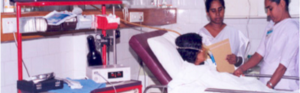
India - Bangalore Baptist Hospital
Bangalore Baptist Hospital has grown into one of India’s most respected faith-based healthcare institutions, known for its commitment to clinical excellence, compassionate care, and healthcare education. The hospital provides a wide range of specialty and subspecialty services while maintaining a mission-driven focus on serving individuals from all backgrounds and economic circumstances.
Learners benefit from a highly educational environment that combines advanced medical care, interdisciplinary collaboration, and exposure to a broad range of specialties. Opportunities include clinical service, specialty rotations, and participation in one of India’s leading Christian healthcare institutions.
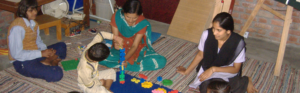
India - Emmanuel Health Association
The Emmanuel Hospital Association is a network of mission hospitals and healthcare programs dedicated to serving underserved communities throughout India. Through its hospitals, community health initiatives, and educational programs, EHA seeks to improve healthcare access while addressing the broader social and public health needs of vulnerable populations.
Learners gain experience across diverse healthcare settings that may include hospitals, community health programs, rural outreach initiatives, and public health projects. The breadth of opportunities within the EHA network provides unique insight into healthcare delivery across a variety of cultural and geographic settings.

Kenya - Chogoria Hospital
Founded in 1922, PCEA Chogoria Hospital has grown into one of eastern Kenya’s leading faith-based teaching hospitals. The hospital provides comprehensive healthcare services while investing heavily in the training of healthcare professionals through residency programs, nursing education, and community health initiatives.
Learners become part of a well-established educational environment that includes resident physicians, interns, nursing students, and multidisciplinary healthcare teams. Opportunities span inpatient and outpatient care, surgery, emergency medicine, community health, and specialty services, providing a rich and diverse learning experience.
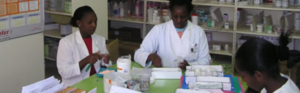
Kenya - Kijabe Hospital
Kijabe Hospital is one of Kenya’s most respected mission hospitals and referral centers, serving patients from across the country with advanced medical, surgical, orthopedic, pediatric, and maternal health services. Known for its commitment to compassionate care, specialty medicine, and healthcare education, the hospital has earned a national reputation for clinical excellence while maintaining its faith-based mission.
Learners join a highly educational environment that hosts medical students, resident physicians, and healthcare professionals from Kenya and around the world. Opportunities include inpatient care, outpatient clinics, surgery, obstetrics, specialty services, conferences, and clinical research, providing exceptional exposure to referral-level medicine in East Africa.

Nepal - Health Environmental Learning Program
H.E.L.P. focuses on improving health and well-being through community development, public health initiatives, and sustainable partnerships. Rather than functioning primarily as a clinical placement site, the organization works alongside local communities to address the social, environmental, and economic factors that influence health outcomes. Its long-term approach emphasizes empowerment, prevention, and sustainable change.
Learners engage directly with community-based projects that may include public health education, maternal-child health initiatives, environmental health efforts, and community development activities. This experience is particularly valuable for those interested in understanding the broader determinants of health and the role of sustainable development in improving community well-being.

North Macedonia - Medical Education International
Medical Education International works throughout Eastern Europe to strengthen healthcare through professional education, clinical teaching, and international collaboration. Established through partnerships with healthcare institutions and educational organizations, the program focuses on advancing clinical knowledge and improving healthcare delivery through the development of local healthcare professionals.
Learners become part of an educational mission that emphasizes bedside teaching, clinical reasoning, mentorship, and professional exchange. Opportunities may include participating in workshops, clinical discussions, and educational programs alongside medical students, resident physicians, and practicing clinicians. This experience is particularly valuable for those interested in healthcare education, leadership, and healthcare system development.
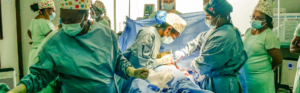
Papua New Guinea - Kapuna Hospital
Established to serve communities in one of Papua New Guinea’s most isolated regions, Kapuna Hospital remains the primary source of healthcare for thousands of people living in the Purari River delta. Accessible only by boat or air, the hospital provides essential medical services while supporting a network of village clinics and community health initiatives. Its longstanding commitment to training community health workers has strengthened healthcare access throughout the surrounding region.
Learners gain exceptional hands-on experience in rural medicine, maternal-child health, infectious disease management, and community outreach. Opportunities often extend beyond the hospital itself through boat-based visits to remote villages and clinics, offering a unique perspective on healthcare delivery in geographically isolated communities.
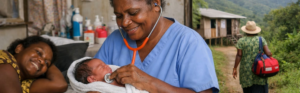
Papua New Guinea - Kikori Hospital
Kikori Hospital serves a large rural population in southwestern Papua New Guinea where transportation challenges and limited infrastructure create significant barriers to healthcare. As part of the Gulf Christian Services network, the hospital provides essential inpatient, outpatient, emergency, and maternal-child health services while supporting community development and healthcare education initiatives.
Learners work closely with local healthcare professionals in a setting that emphasizes practical clinical experience and adaptability. Exposure to infectious diseases, emergency care, maternal health, trauma, and community health provides a broad learning experience, while the hospital’s remote location offers insight into the realities of healthcare delivery in underserved regions.

Thailand - Bangkla Baptist Clinic
Bangkla Baptist Clinic serves communities with limited access to healthcare through primary care services, preventive medicine, and community outreach. The clinic is committed to improving health and well-being through compassionate service while building long-term relationships within the surrounding community.
Learners work alongside local healthcare professionals in outpatient care, health education, and community health activities. The clinic’s emphasis on prevention, continuity of care, and community engagement provides a practical learning environment for those interested in primary care and public health.
Uganda - Kiwoko Hospital
Kiwoko Hospital combines hospital-based care, community health initiatives, and healthcare workforce development to serve rural communities in Uganda. Guided by its mission of compassionate service, the hospital has become a respected center for clinical care, health professions education, and community outreach.
Learners participate in inpatient care, outpatient services, surgery, community visits, and educational activities alongside Ugandan and international healthcare professionals. The hospital’s strong pediatric and neonatal programs, combined with its emphasis on community engagement, create a rewarding and well-rounded learning experience.
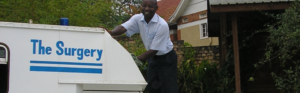
Uganda - The Surgery
Established in the 1940s, The Surgery has become one of Kampala’s most respected international medical clinics. Serving expatriates, travelers, insured Ugandans, and charitable community partners, the clinic provides high-quality outpatient, urgent, emergency, and family medicine services. Its reputation for clinical excellence and patient-centered care has made it a trusted healthcare resource for both local and international populations.
Learners work directly with experienced physicians in a fast-paced environment that combines primary care, emergency medicine, tropical medicine, and travel health. The clinic’s strong teaching culture, diverse patient population, and broad range of medical conditions provide a unique opportunity to experience healthcare delivery in a modern international practice setting.
United Arab Emirates - Kanad (Oasis) Hospital
Founded in 1960, Kanad (Oasis) Hospital is one of the oldest healthcare institutions in the United Arab Emirates and has played a significant role in improving maternal and child health throughout the region. The hospital is recognized for its commitment to compassionate care, clinical excellence, and service to a diverse international patient population.
Learners gain experience within a modern healthcare environment that combines advanced medical services with a strong educational culture. Opportunities include maternal-child health, specialty care, interdisciplinary collaboration, and exposure to healthcare delivery in a multicultural setting, providing a distinctive learning experience in the Middle East.
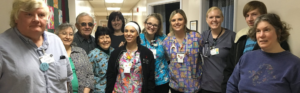
United States of America - Cross Roads Medical Centers
Cross Road Medical Centers provides healthcare services to geographically isolated communities across Alaska, where distance, weather, and limited infrastructure can create significant barriers to care. The organization is committed to improving access to quality healthcare while serving culturally diverse populations in both rural and frontier settings.
Learners gain experience in community-based healthcare that emphasizes primary care, prevention, continuity of care, and adaptability. The combination of rural medicine, cross-cultural engagement, and service to underserved populations offers a distinctive opportunity to understand healthcare delivery in some of the most remote communities in North America.
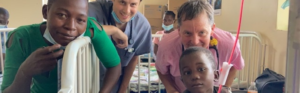
Zimbabwe - Karanda Mission Hospital
Established in 1961 in partnership with the Evangelical Church of Zimbabwe, Karanda Mission Hospital has grown into one of the country’s most respected mission hospitals. Serving patients from across Zimbabwe, the hospital is recognized for its commitment to affordable, compassionate healthcare and for its extensive services in surgery, obstetrics, HIV care, and tuberculosis treatment. Its longstanding motto, “Serving God, Serving Others,” continues to guide its mission.
Learners participate in a wide range of clinical activities including outpatient care, ward rounds, surgery, obstetrics, community outreach, and educational programs. The hospital’s high surgical volume, strong HIV and tuberculosis services, and commitment to hands-on learning provide an exceptional opportunity to experience healthcare delivery in a rural African mission hospital setting.
Site Selection & Placement Process
Submit your application, application fee, recommendation, professional photograph, and supporting documentation 6 months in advance.
Enroll in and complete the Graduate Certificate in International Health prior to departure.
Work with INMED to select a service-learning site and prepare for the international experience.
Submit post-experience assignments and evaluations to complete diploma requirements.
Preceptors
Service-learning experiences are supervised by experienced healthcare professionals who mentor learners, reinforce INMED competency objectives, and support professional growth in real-world healthcare settings.
Clinical & Healthcare Skills
Develop practical skills for managing diseases of poverty and providing healthcare in low-resource settings.
Cross-Cultural & Community Health
Strengthen cultural competence while analyzing community health needs and supporting population-level health interventions.
Team-Based Healthcare
Strengthen cultural competence while analyzing community health needs and supporting population-level health interventions.
Personal & Professional Formation
Develop adaptability, resilience, ethical awareness, and meaningful personal adjustments while living and learning in a different cultural context.
Preceptor Qualifications
Licensed healthcare professional
Minimum five years of professional experience
Continuous learner supervision
Reinforcement of INMED competency objectives
Completion of learner evaluations
Academic Credit & Program Integration
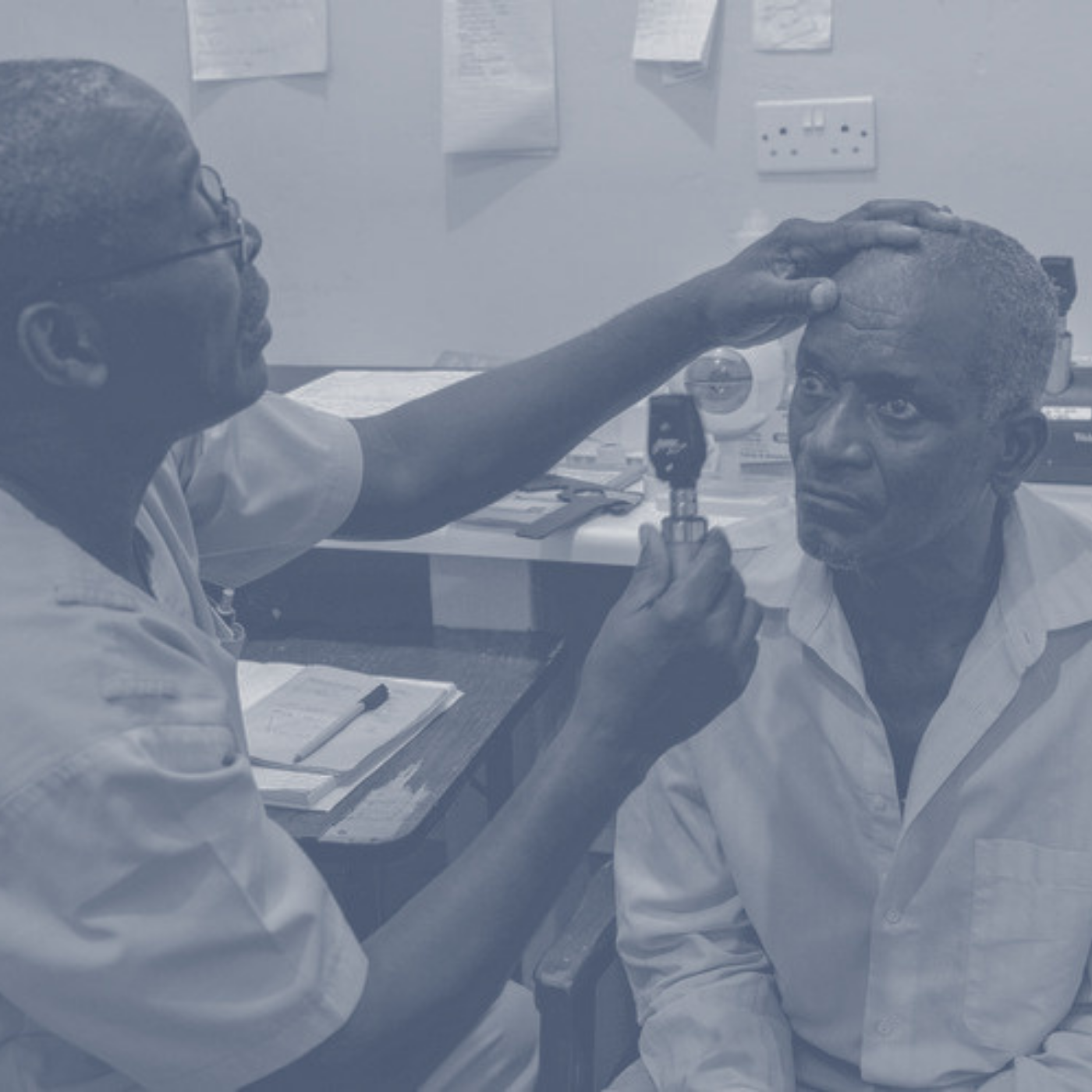
Graduate Diplomas in International Medicine, Nursing, &/or Public Health
Service-learning is a required component of the Graduate Diploma experience and provides learners with supervised international field experience.
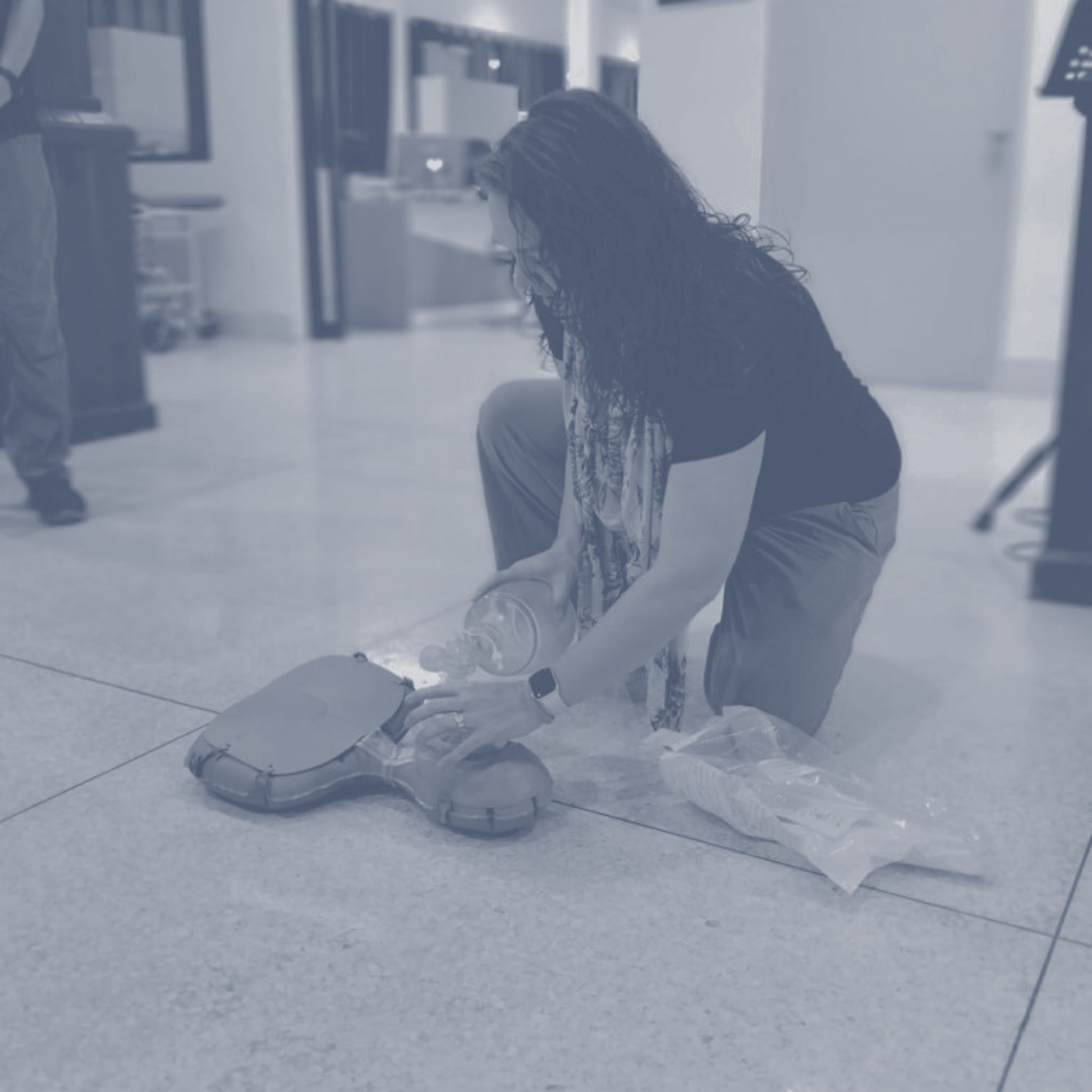
Master's in International Heatlh
Service-learning serves as a capstone experience that integrates academic learning with practical application in real-world healthcare settings.
What You'll Experience
Cross-Cultural Learning
Learn alongside local healthcare professionals and communities in diverse cultural settings.
Clinical & Community Engagement
Participate in healthcare, public health, and community-based initiatives under local supervision.
Mentorship & Collaboration
Work with healthcare teams, faculty, and community partners through shared learning experiences.
Ethical Partnership
Support sustainable community goals through relationships built on mutual respect and collaboration.
Transformative Learning
Service-learning encourages reflection, adaptability, and personal growth while helping learners develop confidence and purpose in their professional roles.
Our Global Service-Learning Network
0
Countries
0
Partner Sites
0
Healthcare Professionals Trained
0
Years of Partnership
Ready to Learn Through Service?
Explore educational pathways that include international service-learning experiences.