Anything Worth Doing
"I can reclaim the passion that was once lost, but now re-found, for myself."
Burton Adrian
Stories That Stay With You.
Service That Shapes You.
Unlike outcome reports or program statistics, these reflections are personal.
They are stories of growth, challenge, compassion, resilience, and service shared directly by graduates who chose to tell their stories.
"I can reclaim the passion that was once lost, but now re-found, for myself."
Burton Adrian
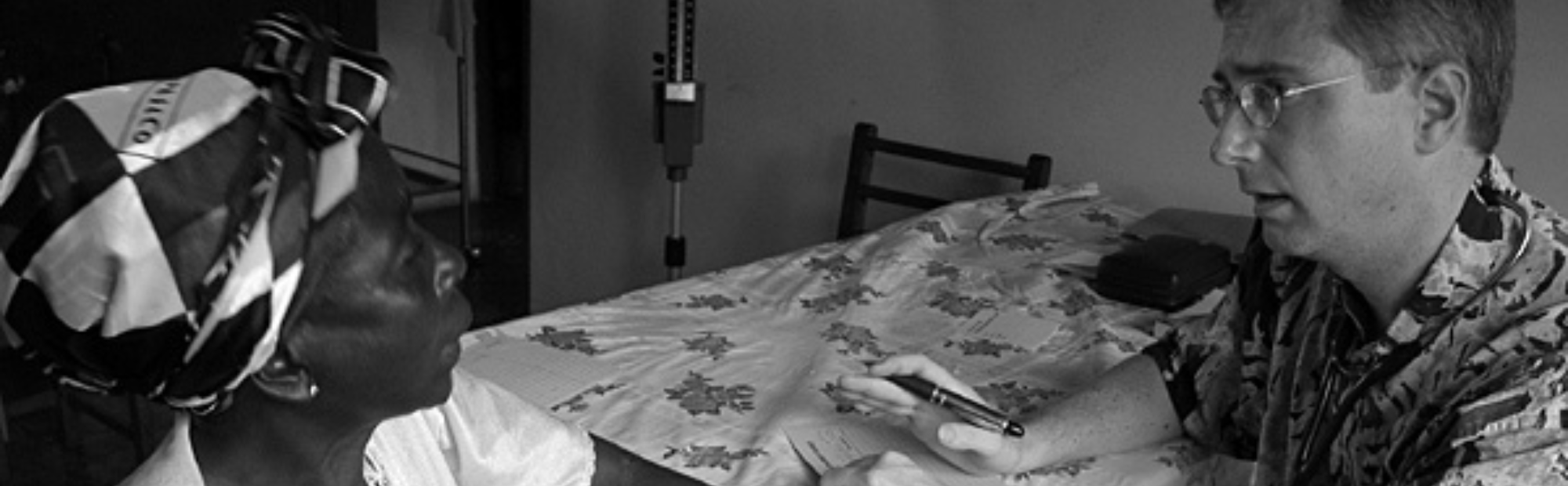
Anything worth doing is difficult. This idea comes from a famous speech by President Theodore Roosevelt. His perspective was that nothing is worth doing unless it takes effort, sacrifice and difficulty.
It makes sense. Think about it. The rare and scarce are more valuable because of their limited availability. Few people, in any endeavor, are willing to go through the pain, put forth the effort or risk failure. Therefore, assuming whatever it is that you are thinking of is of value, for example achieving better health outcomes at a health facility, then it will take significant effort, require sacrifice, and entail the risk of failure. If it was easy, someone else would have already done it.
Such is the case in improving health care outcomes in the impoverished region of northern Ghana where I worked as an Internal Medicine specialist through INMED. As of my first time there in 2019, I ended my hospital and clinical practice in northeast Iowa in 2018 after three decades of work. I felt like it was just a “been there, done that” time in my life. I felt satisfied with those years. I still felt dedicated, but I had not only lost the passion I once had for being a physician. Of more significance, I had forgotten it had ever existed.
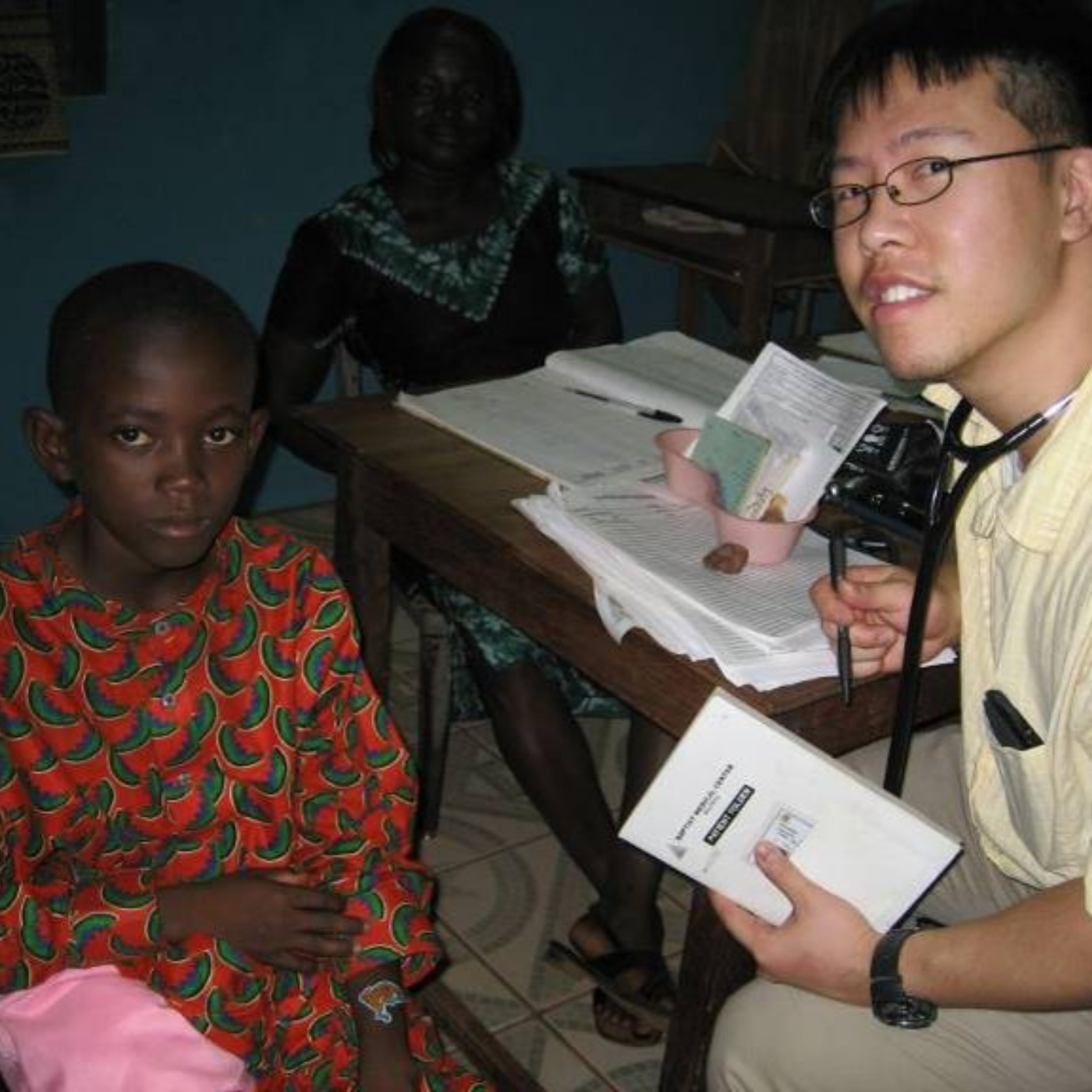
But then came Africa and my work at Baptist Medical Center in Nalerigue, Ghana. The “how and why” I went to Ghana is irrelevant. It was actually the INMED director’s idea, Dr. Cominelis. It only matters that it happened. On my first day, I was being mentored by an excellent Ghanian physician, Dr Ofori. Shadowing him, I found myself on the male medical ward surrounded by forty beds occupied with patients over 12 years of age suffering from typhoid fever, malaria, many cases of active hepatitis B and C, bacterial meningitis, venomous snake bites, HIV and pneumonia including active tuberculosis (yes, an open ward with active TB) to name just the majority. On the busiest days in practice in the US, I would see none of these.
When walking across the ward my arm would be grabbed by a desperate family member with pleading eyes begging me to come to the bedside of their loved one in need. For the first time I had the feeling of standing against the endless stream of human misery. This overwhelming feeling cannot be overstated. I do not exaggerate!
It was not humanly possible for me to attend to them all in the timely manner they would need. Considering the limited sources both in terms of medicine and staff there was a definite limited impact that I could make even if I knew what to do with these diseases I had never treated before.
One persistent woman successfully pulled me to the bedside of her dying husband. His skin was cold, diaphoretic, his breathing labored, his heartbeat rapid and irregular, his radial pulse was faint. There is no x-ray, no EKG, no labs of any kind. There is only me, my stethoscope and my ability to interview and exam – the only things standing between this man and death. Of all the disease states on this ward that I know little or nothing about, this one I know. This is atrial fibrillation with rapid ventricular response with decrease cardiac output resulting in cardiogenic shock. There are no IV beta blockers and IV calcium channel blockers available, only IV digoxin. Not a bad choice anyway. IV normal saline was given to support his blood pressure, IV digoxin to control his heart rate. I, with the help of a medical student from Burkina Faso who would at least do what I told him to do, within twenty minutes the patient had a heart rate of 90, normal blood pressure, normal respiration and oxygenation.
I thanked the student, gave myself a sigh of relief and looked around the ward.
During the previous minutes I had been surrounded by a wall of observers. The families of the other patients including many patients themselves were staring intensely at me just inches away, then to the man whose life was just saved, then back to me. I smiled back and humbly offered the assurance “He is doing better now”. The crowd of observers, who were initially sober faced, returned with smiles and words of acknowledgement to me and each other.
I became regrettably aware that this medical success had caused these people to believe in me more than they should and more than I believed in myself.
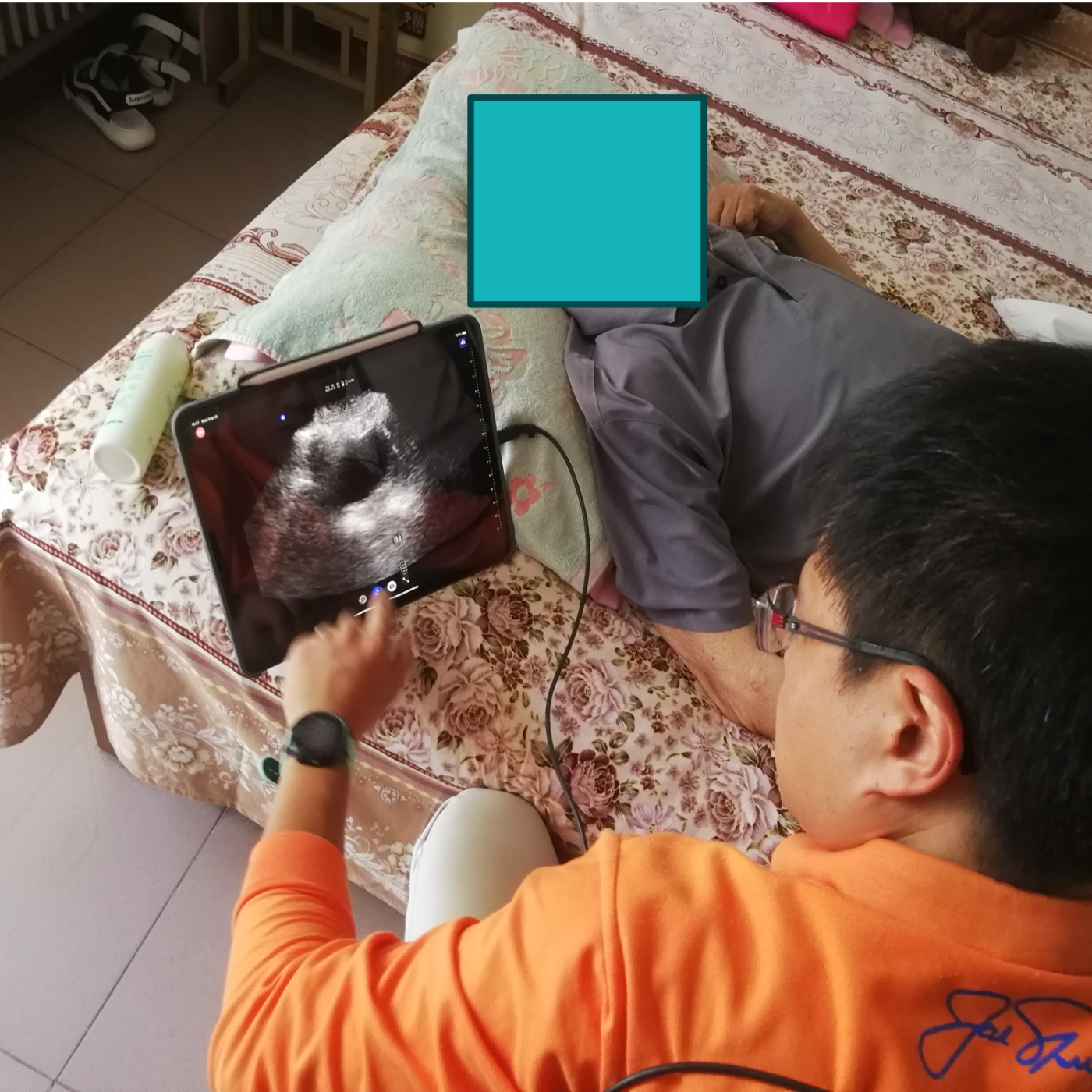
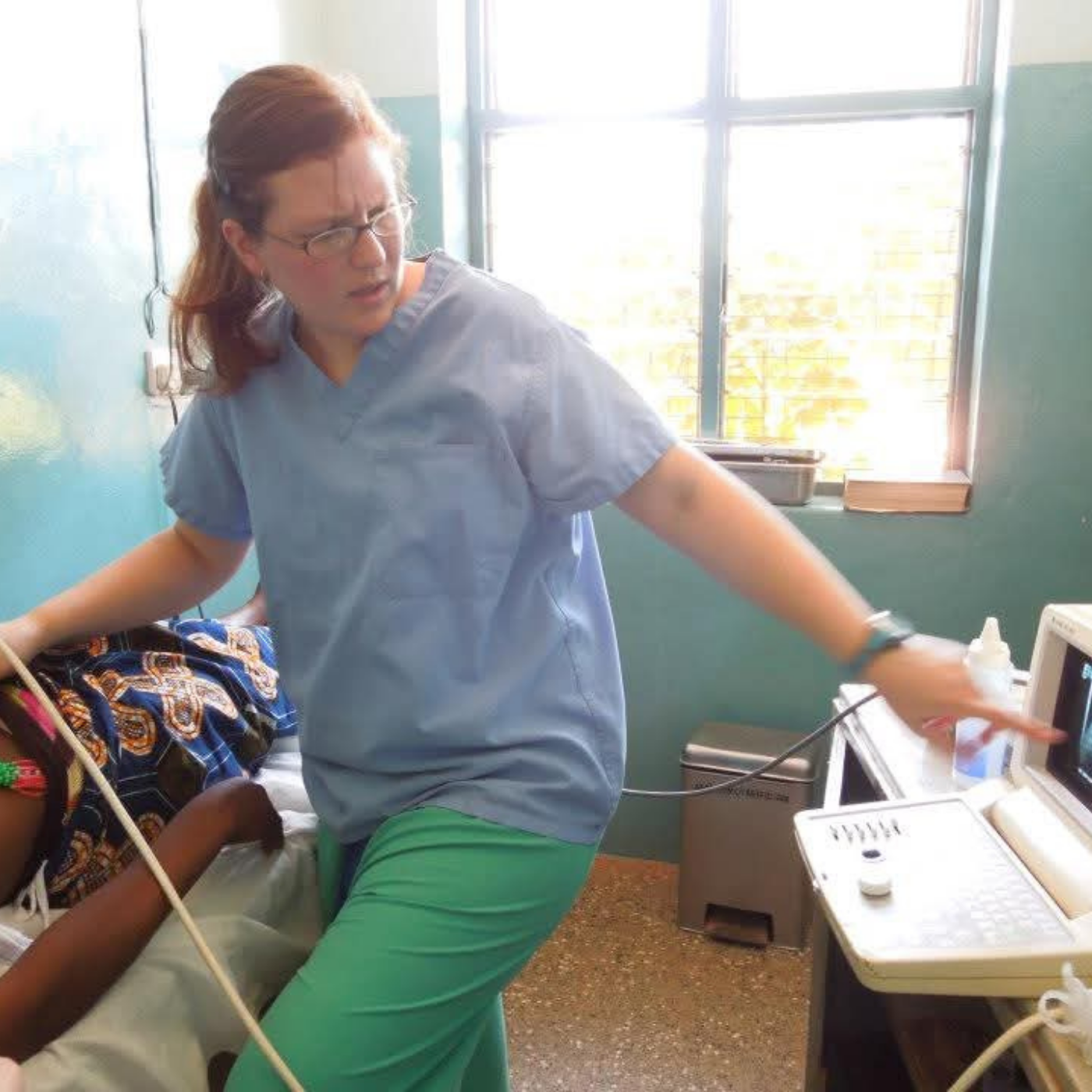
Over the subsequent years I have returned to this medical center in Ghana eight times, staying there and working every day for two months each time. Through INMED training and education resources I have earned my masters degree in International Medicine and become skilled in the use of POCUS in this setting. More importantly, I am able now to diagnose and treat well the once unfamiliar diseases listed above. I have with persistence, sacrifice and hard work earned the confidence once so easily given to me by those patients and their families back in 2019.
During my time working in Ghana in 2024 the head nurse of the ward returned from his usual monthly review of the ward’s outcomes unusually happy and upbeat. I had talked with him after other monthly reviews to see how the outcomes could be improved. The reviews of the male medical ward were usually negative, mostly because men in Ghana abuse themselves and neglect their health more than women even more than in the USA. Now, this monthly review, which covered my presence for the previous two months, showed a dramatic 2- or 3-days reduction in the length of stays and a nearly 50 percent decrease in mortality. I had been aware of the importance of POCUS in establishing the correct diagnosis and successful treatments compared to my time there before having had this technology that I brought with me as well as the improvement in my clinical skills in this setting. The statistical confirmation was satisfying.
I can recall the first day at BMC in Ghana was I have described above. I can account for the improvement in health care outcomes because of acquiring the necessary clinical skills to diagnose and treat these diseases of resources limited communities and the application of POCUS technology. I can also reclaim the passion that was once lost, but now re-found, for myself."
"She died in my arms 15 minutes later. After the news was broken to the mother, her heartbreak became audible through wailing."
Student 2
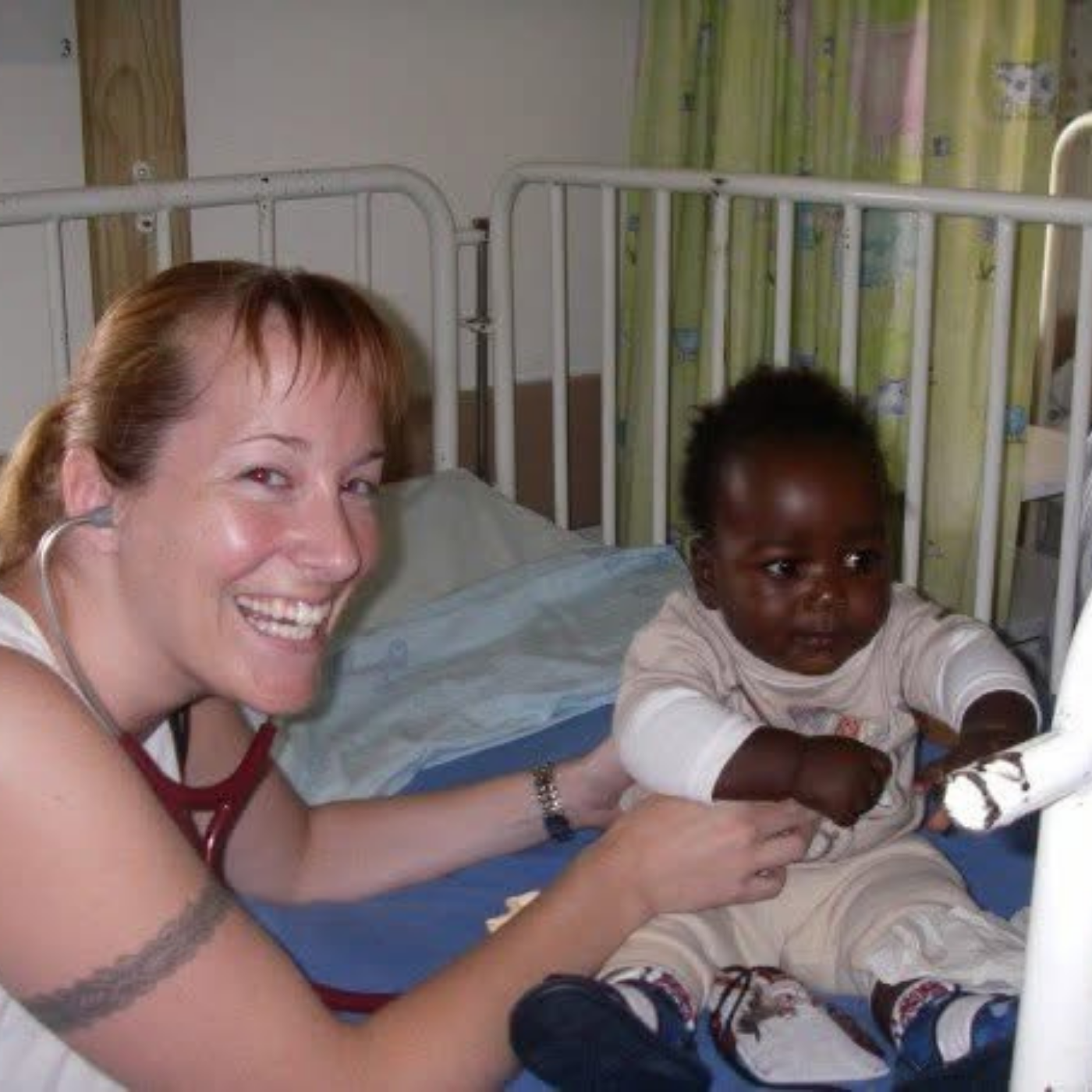
My time at Macha Mission Hospital in Zambia through INMED was one of the most difficult but most amazing things I have ever done in my life; it is something that I will cherish and remember until the end of my days. The people I met, the patients I cared for, the experiences I had, the travel adventures - I have and will carry them all with me since I left. One of the most difficult situations I experienced while there was caring for a malnourished child. The mother brought the girl in the afternoon on my second day; although this was a 2-year-old, the little girl maybe weighed 15 pounds and barely looked human because her skin was so thin and her bones were practically visible. I can still remember her faint cry as she didn't have the energy to even moan, let alone lift her head, move her arms, or walk. We knew we needed to get her hydration and nutrition, and the quickest way would be IV. However, the nurses were unable to get an IV in her; I was asked to help, so I placed a large IV as an IO and we started giving her fluids. She died in my arms 15 minutes later. After the news was broken to the mother, her heartbreak became audible through wailing. I had never seen a child die; my heart broke for the mother, but I was also so mad at her for waiting so long. I had such strong and conflicting emotions, I felt completely torn. My wonderful colleagues at Macha Mission Hospital helped carry my sadness and anger. They helped me process the situation and understand why and how this happened; that they likely traveled a long distance to get to us as well as the more global issues of children being weaned from breast milk to porridge that lacked in amino acids. I was blessed to be surrounded by nurses and other providers who were beyond generous with their time, advice, help, and friendship. I assisted in many different surgeries and procedures, grew exponentially in my clinical reasoning and exam skills as well as my procedural abilities. I experienced things that I would never have had the opportunity to experience anywhere else. Looking back on that time and thinking about how special it was really comes down to the amazing people that I met at every stage: the kind woman on the plane with advice about navigating the bus system, the cab driver who took me by the hand and put me on the bus so I wouldn’t get taken advantage of, the nurses and doctors and patient care techs at the hospital, the border guards who were incredibly kind and grateful that I was there working at the hospital, the guy at the hostel reception desk who told me the hostel had hot water and showers after I hadn’t experienced the luxury of hot water for 28 days. All of this, plus much more, has made me who I am and every single day, I hope that what I do makes them proud.
"We did not go to that area for him, but he was the one we needed to be in that area for."
Student 10
Prior to my INMED service-learning experience at Clinica Esperanza, I had already been on multiple short term medical outreach trips that partner with local organizations. However, this was the first time that I spent significant time with a long-term outreach clinic that provides acute and chronic care in a sustainable and community-focused way. I was extremely impressed and this model has influenced all my future international outreach experiences as well as those of my students. Since that experience in 2022, I have led several other short-term outreach efforts with our international partners. The focus on sustainability, local capacity-building, and community-focused efforts in these experiences is so much stronger than it was before.
Another lesson I always take with me is the importance to focus on and seek out the one. I remember a particularly powerful experience for me when we were finishing a community outreach effort in a remote part of the island that was specifically focused on women and children. As we were packing up, a young man, who had been watching us, came over and asked, "do you have any medicine for me?" He explained that he knew the clinic was for women and children but that he is always working longer than the clinics stay open and he was concerned about a leg infection. I asked to look at it and it was bad. Something that should have been taken care of long ago and it was clear he needed help. We got him started on antibiotics and made a referral with a free-visit voucher to the main clinic for the important follow up. We did not go to that area for him, but he was the one we needed to be in that area for. As I continue to serve others, I remember that sometimes, despite the good we are doing or have done, we need to look for the ones that really need us, who are standing on the outside looking in and working up the courage to ask, "do you have something for me?"
"Miss Peggy challenged me to come up with a protocol to remedy this problem."
Student 43
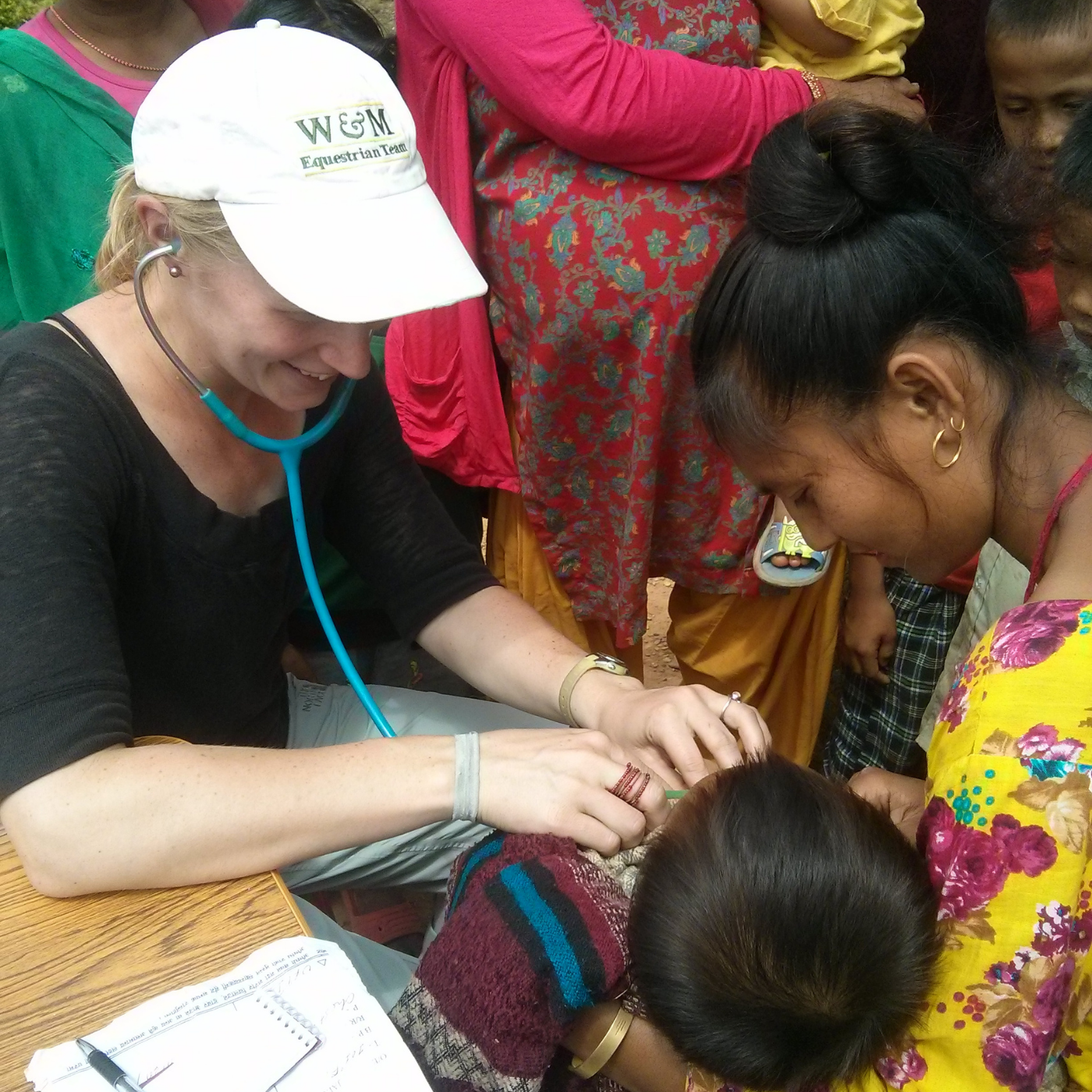
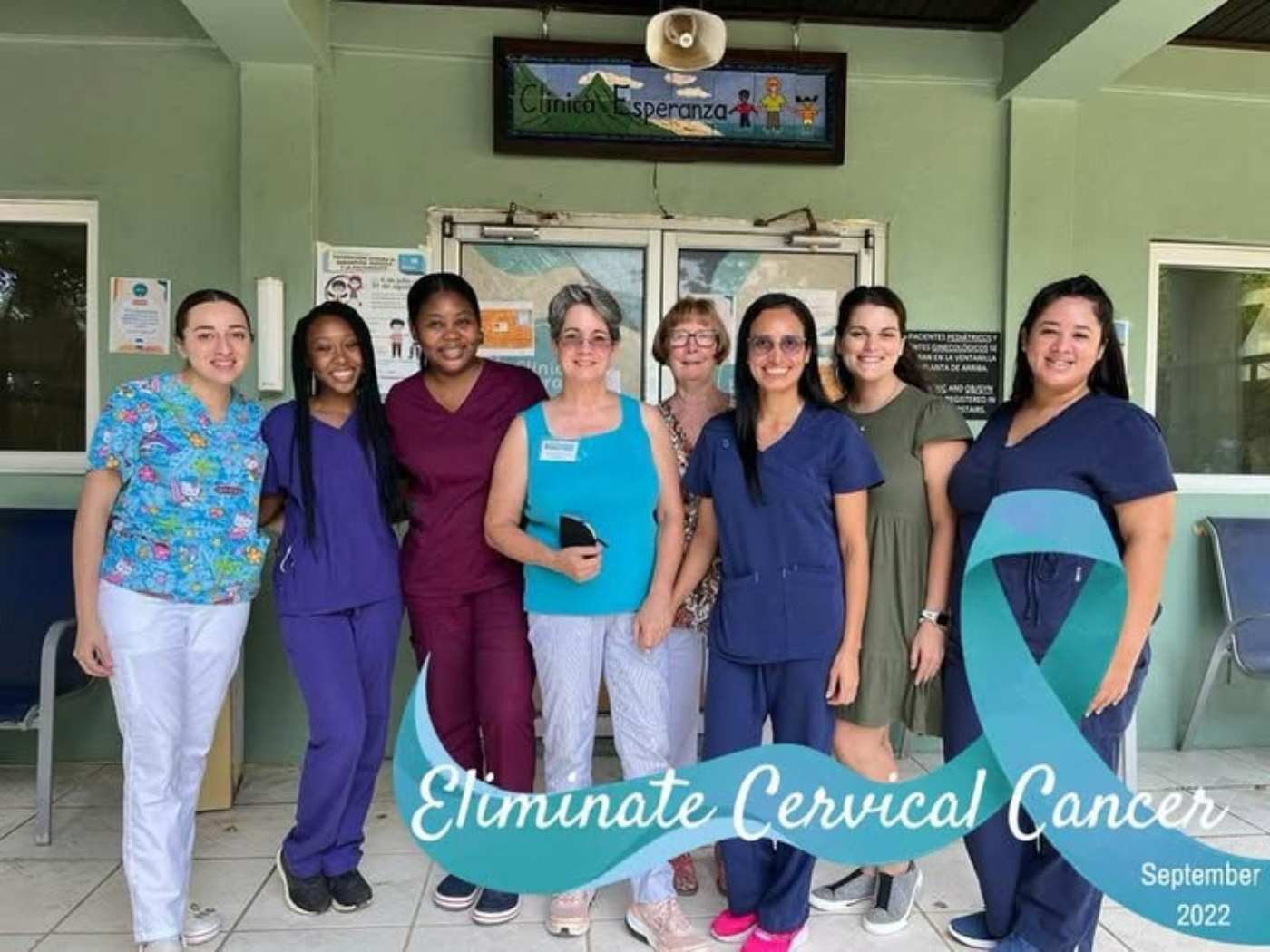
When I turned 60 years old, I felt I was ready for my "3rd act" and participate in medical missions. I first went on a trip with my local church organization to Central America. I discovered, not surprisingly, that the choices made by the host group were as much for the benefit of us "missionaries" but not necessarily the local people we were supposed to be serving. So, I searched for a source of knowledge and judgement and found INMED. After completing the "book work", I participated in the 'hands on" experience at La Clinica Esperanza on the Island of Roatan Honduras. I became a student of the community health program as well as learning a model of chronic health care in a resource restricted area. But because of my extensive medical experiences in rural North Carolina, I mentored family medicine and women's health. In this context I participated in women's health visits where cervical smears were collected the same way I was taught in the 1980's with cervical mucus applied to a glass slide, sprayed with a fixative and sent to a pathologist. A 3 month turn around report almost always (95%) revealed "Inflammatory Changes" with the recommendation to repeat the process in 6 months. Even worse, an abnormal Pap evaluation required at least one trip to the mainland at the cost of a month's income for the family. I discussed the dilemma with Miss Peggy, the director of the clinic, and she challenged me to "come up with a protocol" to remedy this problem. As I completed my Master of International Health through INMED, I developed a curriculum using World Health Organization materials for the Elimination of Cervical Cancer as a Public Health Problem using Visual Inspection with Acetic acid(vinegar) for triage, screening and treatment of cervical pre-cancer in income limited areas. I returned to La Clinica Esperanza to train the staff there in this technique with good acceptance from the providers as well as the patients.
"Within 12 hours of identifying this need, 3 continents had communicated and shared an up-to-date protocol."
Student 63
Working in the center of Kampala Uganda at “The Surgery” covering the ER was yet another of my treasured experiences working around the world. Each unique in their way.
As it was a difficult and lengthy trip each day to get to work on a boda-boda, I immediately witnessed the transportation challenge, for me and especially the staff. Beginning with the almost hour long trip each way on the back of the bike. Experiencing the travel danger due to poor road construction, the dust, rocks, lack of rules of the road, varied weather conditions (in the rain you go when it stops and are late) and the daily expense.
Upon arrival to work each day I witnessed the commitment or lack there of of some staff. Immensely troubling. Emergency cases where people look up from the desk or another room as if this arrival is “a bother”and continuing on with what they were doing, which was to not care for the patient. After a few days of quietly watching, getting to know staff, practices and paying deference to the way the unit functioned I quickly changed my approach to the day. To begin the staff had no idea what a Nurse Practitioner does. No amount of explanation seemed to suffice. My approach became to do my job. Admit all patients, perform an assessment, physical exam, and come up with a plan of care including acting promptly as the emergency required, case dependent.
Upon completion of admitting the patient it was common practice to go to the adjacent clinic, notify the covering doctor and accompany them back to also see the patient. While walking back over to the ER, with the physician, I would present the case, all pertinent information and the plan of care all to the doctors utter surprise. After doing this numerous times our collaboration evolved beautifully. Including now being asked to chart in the doctor’s computer, assist on cases and be a part of the conversation, a small success!
Of course this is not uncommon even at times in our country. In this situation it became a rather important evolution. Why? One morning a 5 year old arrived being carried by a missionary woman I had not yet met. He was having seizures repeatedly and had been for a couple days. She and her organization had to pay for his care. No insurance, no money, are we sounding a bit like our country now too??? We began a work up, now with the physician in attendance. Treatment ensued no resolution of symptoms occurred. He was taken into an emergency bay, the attending called. The team was struggling with how to proceed. My goal was to work with them to figure out the quickest most efficient work up necessary. It was now very important that we all do this together. The most important thing for me was to respectfully guide, offer suggestions, work with and quickly get done what was needed. Very few appeared to have an infectious disease background, mine vast, time was of the essence. The collaboration, without judgement, was thee most important outcome. It happened, it grew and we continued to work, teaching one another, with mutual respect. Ultimately achieving the best outcomes for patients, the goal we must always strive for.
Now the good and the bad. The bad, this 5 year old had TB meningitis and ultimately died a difficult tragedy to witness. The good, through my own network of health care providers, collaborators, in Boston, where I have always worked, I was able to get update critical medical advice. Immediately being connected to the world’s leading MD in India who had recently spoken at Harvard about this subject. The Uganda staff believed no one would help or respond, their frequent experience. Within 12 hours of identifying this need, 3 continents had communicated and shared an up to date protocol for the care of this young child. Yes, the good being we all CAN work together, thoughtfully, with patience and respect and helping one another, always.
My volunteer work has been all over the world, now exclusively pro bono, full time, developing self sustaining health clinics in rural Liberia. Refuge Place International.
Clearly I am the one being gifted this existence and privilege. My work continues and I am grateful
"It was the moment that all my self doubt about pursuing an MD degree went out the window."
Student 22
As a nontraditional premed postbaccalaureate student, I found myself drowning in basic sciences and losing enthusiasm for the process without the human connection. I therefore opted to do an InMed service trip and was paired with an outstanding family medicine practice in Haiti. After the first week of my service, the devastating 2010 earthquake hit and transformed my experience from a general practice care to a mass casualty trauma response. The following week prior to my evacuation was intense and extremely informative On both human suffering and personal response to crisis. As it relates to my future profession, it was the moment that all my self doubt about pursuing an MD degree went out the window and I knew deep in my bones that caring for the human body was my calling. While the intensity of my experience was far from normal, I strongly believe in the importance of experiencing underserved medical practice for all healthcare providers to gain perspective on the healthcare industry and reconnect with the basic provider-patient connection that can get so lost and burdensome in our US healthcare system.
"The experience taught me a more humane, connected approach where the patient trusts the human physician before them."
Student 13
I completed a Diploma in International Medicine and Public Health during medical school and spent 1 month at Kiwoko Hospital in Uganda as part of that experience. My time at Kiwoko was incredibly challenging, rewarding, and humbling. I was a student there at the end of my third year of medical school and got the opportunity to integrate with Ugandan medical students for medical education, assist on C Sections, round in the NICU, present to the faculty, help with a research project, vaccinate hundreds of chickens, visit Lake Victoria and the Ugandan National Museum, and compete in the hospital's soccer tournament. Two memories in particular persist and come to the fore of my thoughts frequently. In the first, I had to present the case of a dyspneic, HIV + patient to the other students and Kiwoko's resident surgeon, Dr. James. I saw Dr. James grill a few of the other students on days prior and spent a great deal of time preparing the night before. It was more than twice the time I had spent preparing to present any patient's case back in Michigan where I spent my clinical time as a student, and I felt confident in my assessment, but in the morning I was subject to the same brutal cross examination that the other students had endured. I resented it in the moment, but I understood over time that Dr. James was trying to instill a thoroughness essential to working in such an environment. I work in a large academic medical center now and most of my patients arrive on my service accompanied by mountains of data - CT scans, echocardiograms, labs, consultant notes/recommendations, etc. The physicians in most of the world have no such luxury and must rely on finely honed skills of history taking and examination to rule in/out diagnoses for which they judiciously deploy limited resources to confirm and treat. The experience taught me a more humane, connected approach where the patient trusts the human physician before them and that physician must strive to earn that trust through compassion and competence. The second memory that looms large was an opportunity to play soccer with the Kiwoko village soccer team. I played soccer in college and would join men and women from the village daily after work on the field near the hospital compound to play pick-up. A few weeks in I was invited to play on a Saturday and told to meet at a location on the edge of the hospital compound. I was taken to an area outside the village, about a 45 minute drive, given a uniform and the captain's armband, and marched onto a field (a generous description of the terrain) where the men of Kiwoko village (myself among them) competed against a neighboring community. It was a very touching gesture from the men I had been playing pick-up with, and incredibly generous gift to include me in something that was obviously so important to them. I unfortunately repaid their trust and generosity by promptly spraining my ankle about 10 minutes into the game, but I still enjoyed watching them play and feeling like part of the team thousands of miles from home.
I am so grateful to INMED for my experience at Kiwoko—it was certainly the most memorable month of medical school for me and has made an indelible mark on me as a man and doctor.


As a 4th-year medical student, I had the privilege of traveling to Ghana for six weeks to study and practice medicine, made possible through funding from INMED. During this time, our team brought medical care by riverboat to remote villages along the Volta River — communities that often went three to six months between visits from a physician. Patients arrived in astonishing numbers, eager for antiparasitic medications, vitamins, and whatever care we could offer. Witnessing how some of these patients lived, and their profound gratitude for what many of us would consider minimal care, was a deeply eye-opening experience that has stayed with me since.
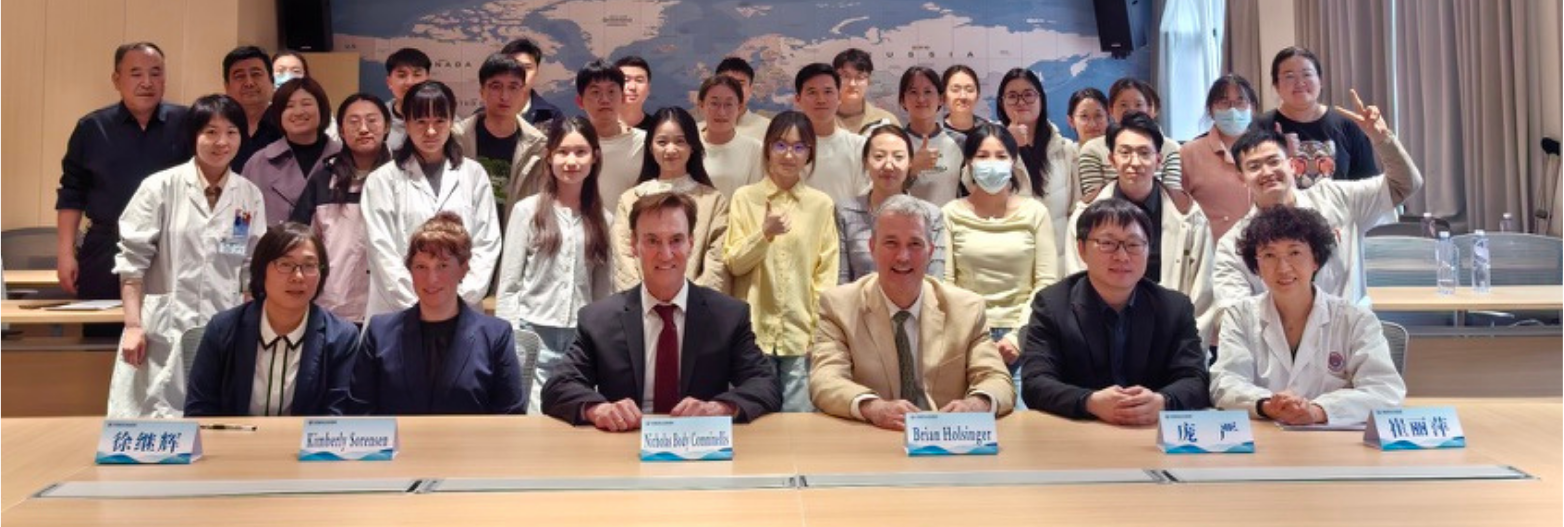
What an encouragement to have Dr. Nicholas Comninellis come to Shenyang in Northeast China every year and bless us with teaching about family medicine, public health, and other primary care international medicine topics. He has traveled with our H’Image Doctor International Clinic family medicine and allied health team to places all around China. Dr. Comninellis’ expertise and enthusiasm for helping young people learn more about family medicine and public health is inspiring!
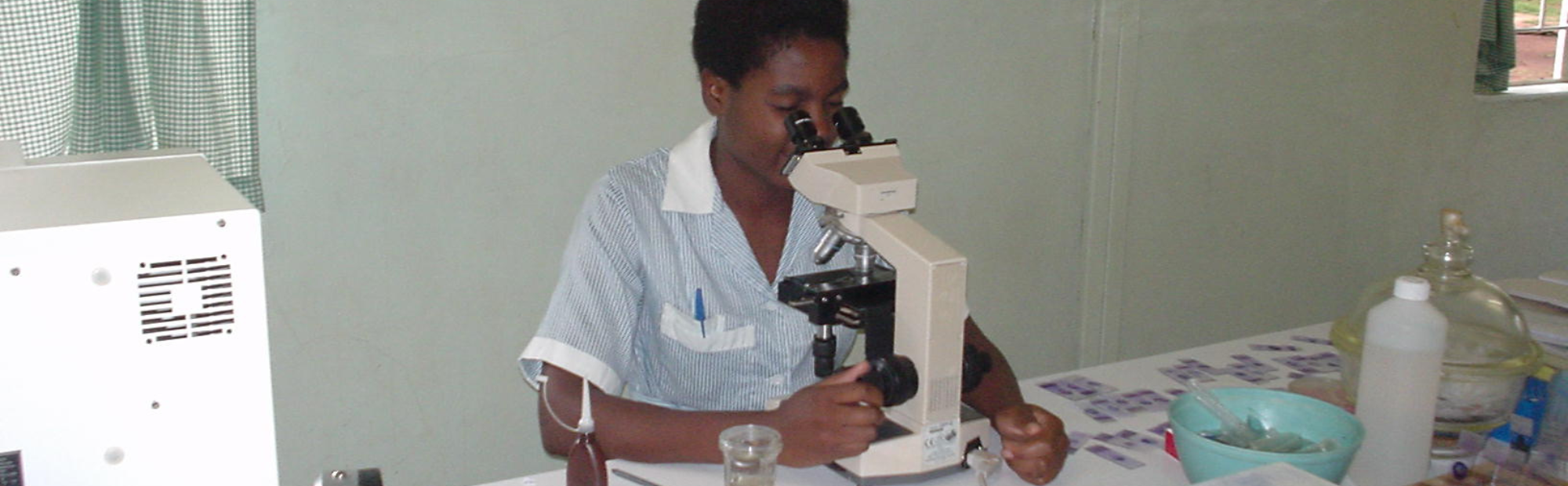
My experience in Zambia further fortified my resolve to continue with medical missions primarily with multiple mission trips into rural Haiti over the years.
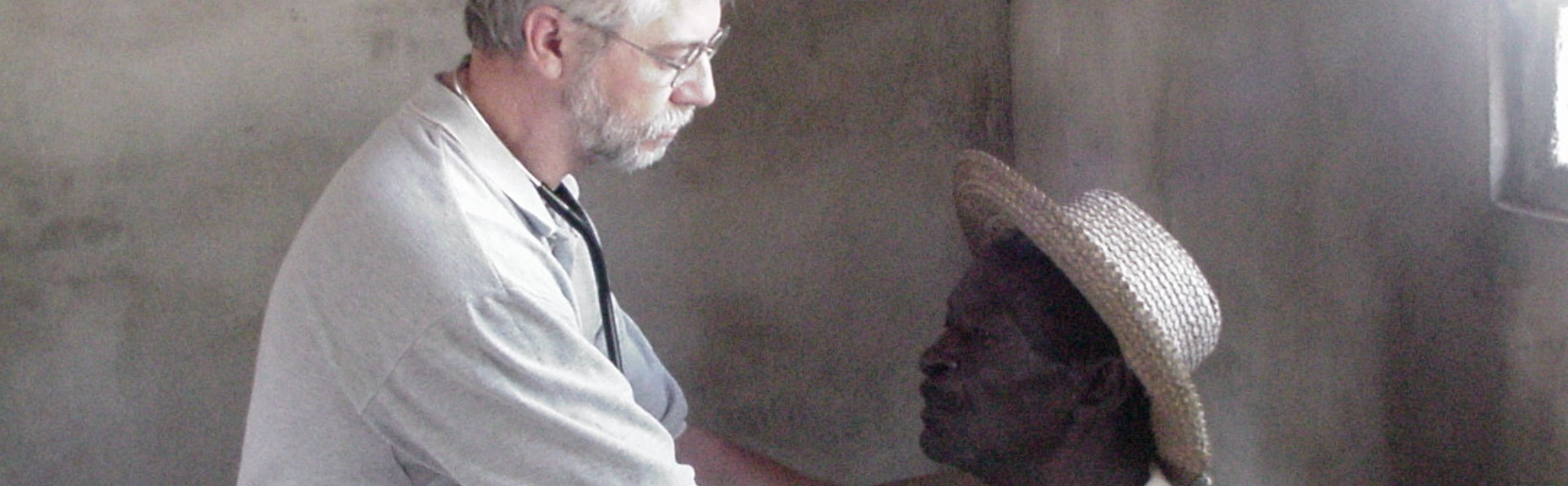
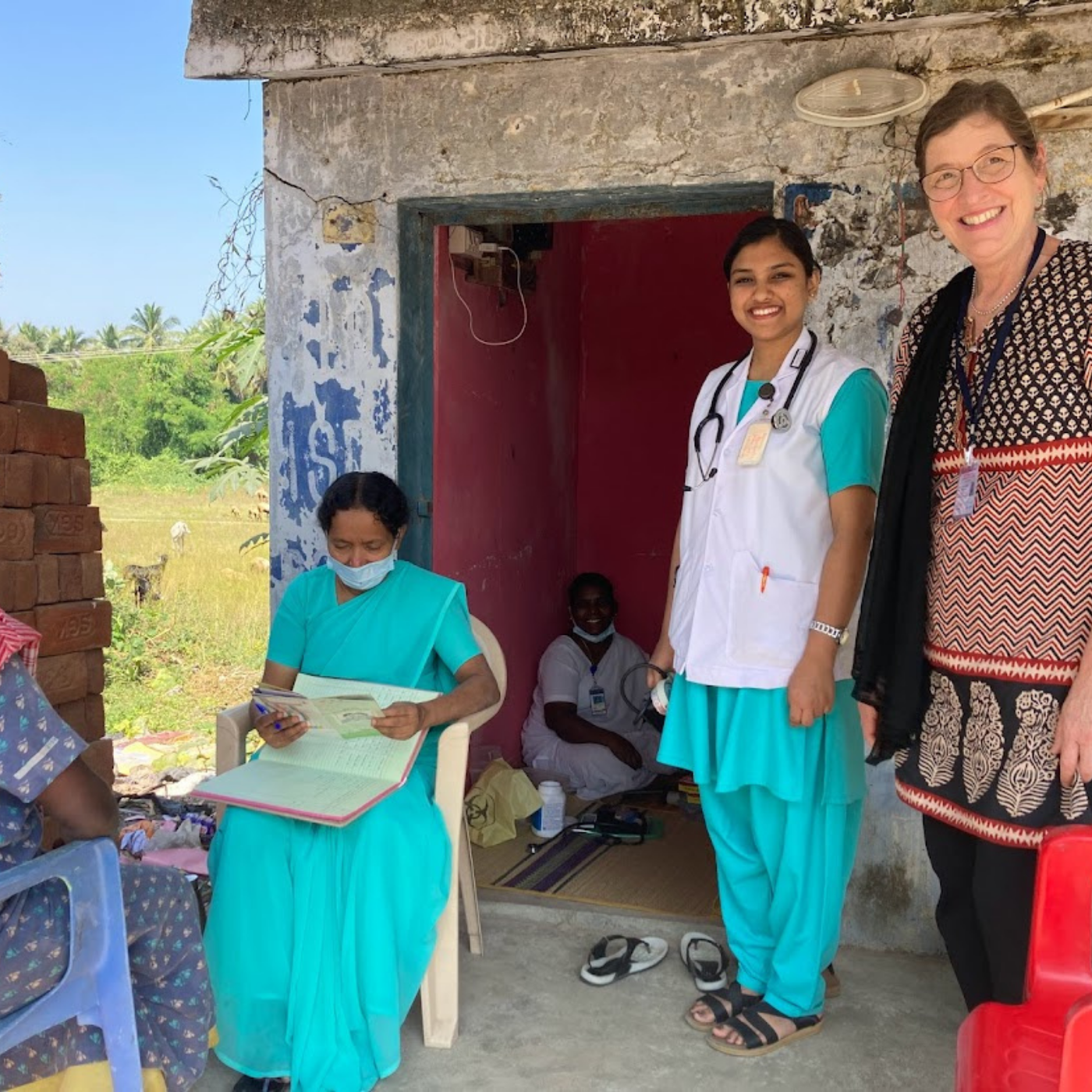
I did my onsite training in Haute Limbe, Haiti with an amazing missionary doctor. Since, I’ve helped train community health workers in northern Haiti through CHE (Community Health Evangelism). I’m now retired but INMED prepared my heart and mind to serve the unseen. I now volunteer in our local community region where generational poverty has limited many people from achieving their best. God has been good!

In 2007, as a fourth-year medical student, I had the opportunity to study at Banso Baptist Hospital in Kumbo, Cameroon. That experience opened my eyes to a world of medicine I could only imagine and started my career in international medical work.
While there, I performed my first solo surgical procedure: an incision and drainage of a large thigh abscess. I made the rookie mistake of making the incision too small, and instantly, an impressive four liters of pressurized purulent fluid shot out in an arc across the room, of course drenching me from head to toe. I quickly grabbed a bucket and, standing about four feet away from the patient, held it to catch the stream of fluid. I screamed for help, which came in the form of the two attending surgeons, dying of laughter, as they opened the incision wider to allow for drainage at a more manageable flow.
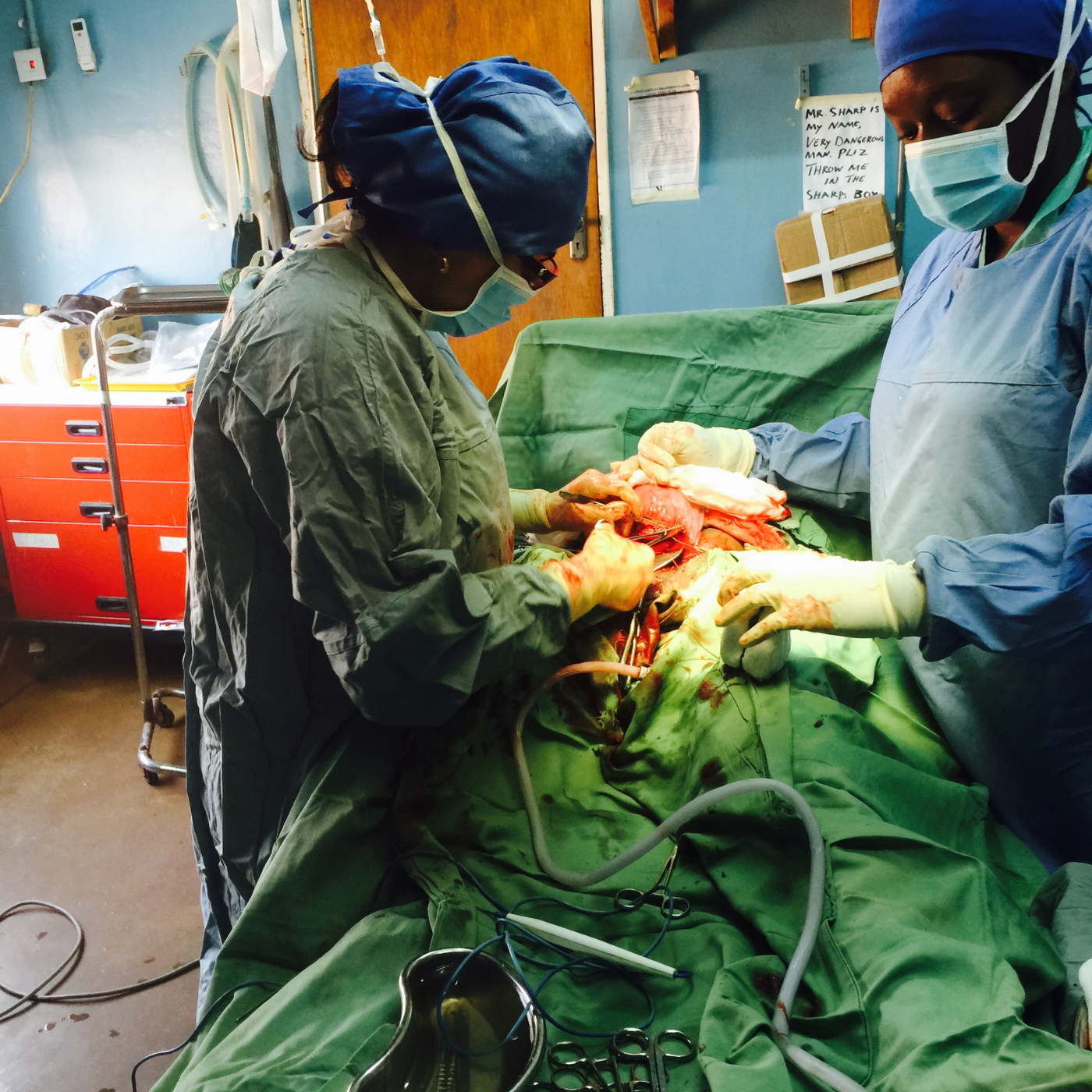
After finishing my surgical residency in 2013, I was fortunate to be supported again by INMED in completing a Fellowship in International Medicine while spending a year at the Baptist Medical Centre (BMC) in Nalerigu, Ghana. That year of learning and growth was instrumental in making me the surgeon and person I am today.
Returning yearly on short-term trips, the BMC community and Nalerigu have become a second home and family. It has been amazing to watch the hospital and village grow over the years. I think of people like John, who was once a lanky twelve-year-old hanging out on my porch, asking me questions and helping me buy groceries at market. He is now a PA who says he was inspired to go into medicine and serve his community by the volunteers he saw traveling to BMC.
Last year, watching John make his first incision while helping me with a hernia repair felt like a full-circle moment. From student to teacher, INMED gave me the opportunities to begin this journey, and I will forever be grateful.
The stories shared here reflect moments from the past. But where did those experiences lead?
Have an INMED experience that continues to influence your life or career?
We would love to hear from you.
Submit your story, photos, and reflections for consideration in our Alumni Stories collection.