- All
- Africa
- Asia & Middle East
- Latin America & Caribbean
- General
Student 1
It broadened my understanding and appreciation of different cultures and helped grow my medical knowledge. We had to serve patients that had never seen health care providers with minimal resources. I went with some classmates and made lifelong friendships. I was able to travel some with even more classmates after my rotation while over in Kenya and Tanzania.
Student 2
My time at Macha Mission Hospital in Zambia through INMED was one of the most difficult but most amazing things I have ever done in my life; it is something that I will cherish and remember until the end of my days. The people I met, the patients I cared for, the experiences I had, the travel adventures – I have and will carry them all with me since I left. One of the most difficult situations I experienced while there was caring for a malnourished child. The mother brought the girl in the afternoon on my second day; although this was a 2-year-old, the little girl maybe weighed 15 pounds and barely looked human because her skin was so thin and her bones were practically visible. I can still remember her faint cry as she didn’t have the energy to even moan, let alone lift her head, move her arms, or walk. We knew we needed to get her hydration and nutrition, and the quickest way would be IV. However, the nurses were unable to get an IV in her; I was asked to help, so I placed a large IV as an IO and we started giving her fluids. She died in my arms 15 minutes later. After the news was broken to the mother, her heartbreak became audible through wailing. I had never seen a child die; my heart broke for the mother, but I was also so mad at her for waiting so long. I had such strong and conflicting emotions, I felt completely torn. My wonderful colleagues at Macha Mission Hospital helped carry my sadness and anger. They helped me process the situation and understand why and how this happened; that they likely traveled a long distance to get to us as well as the more global issues of children being weaned from breast milk to porridge that lacked in amino acids. I was blessed to be surrounded by nurses and other providers who were beyond generous with their time, advice, help, and friendship. I assisted in many different surgeries and procedures, grew exponentially in my clinical reasoning and exam skills as well as my procedural abilities. I experienced things that I would never have had the opportunity to experience anywhere else. Looking back on that time and thinking about how special it was really comes down to the amazing people that I met at every stage: the kind woman on the plane with advice about navigating the bus system, the cab driver who took me by the hand and put me on the bus so I wouldn’t get taken advantage of, the nurses and doctors and patient care techs at the hospital, the border guards who were incredibly kind and grateful that I was there working at the hospital, the guy at the hostel reception desk who told me the hostel had hot water and showers after I hadn’t experienced the luxury of hot water for 28 days. All of this, plus much more, has made me who I am and every single day, I hope that what I do makes them proud.
Student 3
I visited Kijabe, Kenya February 2020 as an INMED learner and volunteer. This facility drastically changed my impression of what is possible as an international volunteer, teacher, learner, and doctor. They were tirelessly dedicated to quality, despite resource limitations. I saw incredible physicians help numerous patients live without suffering. I took the lessons of compassion from this trip with me to my clinical practice in the United States. It caused me to look at my relationships differently and remove some dead-weight aspects of my life (complaining, negative company, and excessive spending on frivolous things). I felt renewed – and rededicated to practicing to the best of my ability.
Student 4
INMED prepared me well to go and learn in a rural teaching hospital is a highly remote and resource-limited setting. I have continued to use these skills in my practice ever since. It was such a privilege!
Student 5
My service-learning experience in Ghana in 2012 came at a very pivotal time in my career. I was about 6 months post-graduation from NP school and attended during my NP ER orientation.
I was at a time in my life where I had a call to go and make a difference, and a willingness to be used in medical missions.
The most critical skills I learned was the skill to enter into every experience of life as a learner. I learned that I wasn’t the one coming to save the day but that others spent a lot of time and effort making sure I had all I need to be successful. As I completed the INMED graduate certificate, I was changed and transformed by lessons of cultural humility I learned and by the examples of the lives who had sacrificed so much to serve in a place like Nalerigu (both Foreigners and Ghanaians).
It’s led me now, 13 years later, to continue to find ways to serve the least of these and to use my life to make a difference in the life of others, to continue to find opportunities where I can make a difference making disciples and continually positioned me to remember to serve the forgotten.
Student 6
The experience broadened my worldview and made me appreciate the sacrifice people make to serve in these communities long-term, the suffering and hardships locals endure, the simplicity of slowing down and appreciating life. It helped me to appreciate the conveniences we have, the healthcare we have access to, and the social justices we enjoy. It was a life-changing experience in many ways.
Student 7
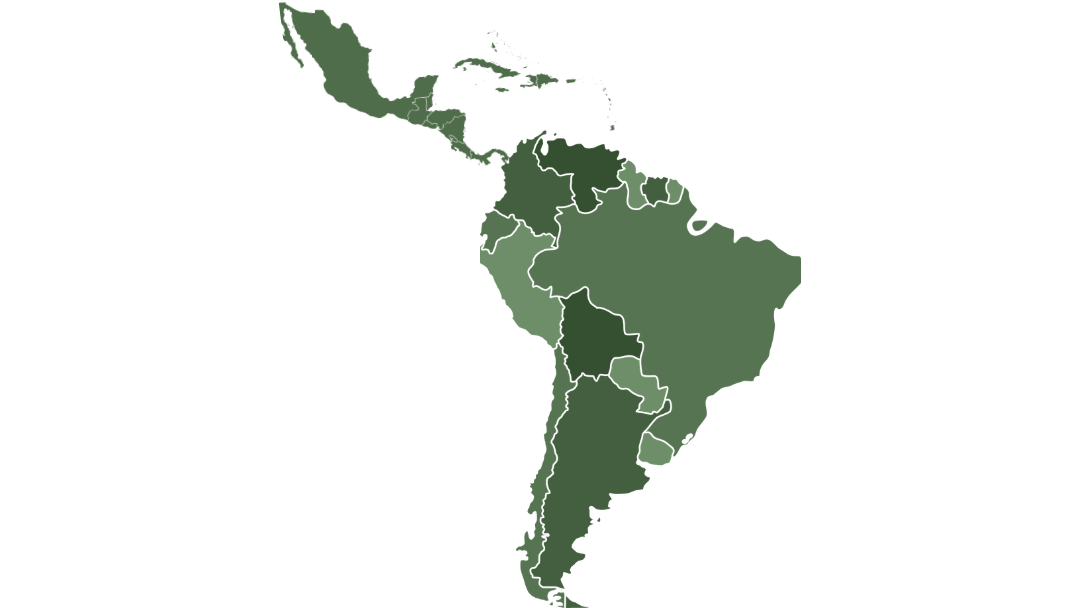
My experience with INMED Took place in 2012. After completing the preliminary training for the diploma in international medicine and public health, I spent four or five weeks in Honduras, on the island of Roatan. The experience counted as credit towards a DNP in pediatrics. There I spent several days in the public hospital, which had no running water at the time. I have continued to stay in contact with the mother of a premature infant I cared for while at the hospital. Most of the experience though I spent at Clinica Esperanza, where I helped develop pathways for treating asthma, hypertension and diabetes. I will never forget watching an extraction of a bot fly from the arm of an eight-year-old girl. I think what I gained most from the experience was an appreciation for providing healthcare in a low resource situation. From a practice point of view, it taught me to think “out of the box” when faced with challenging patient care situations. I continued to work in underserved pediatric populations here in the USA, looking for ways to support uninsured and underinsured families. Besides providing financial support, I have often dreamed of going back and spending a whole year there. It definitely made an impact on my life.
Student 8
Working in the center of Kampala Uganda at “The Surgery” covering the ER was yet another of my treasured experiences working around the world. Each unique in their way.
As it was a difficult and lengthy trip each day to get to work on a boda-boda, I immediately witnessed the transportation challenge, for me and especially the staff. Beginning with the almost hour long trip each way on the back of the bike. Experiencing the travel danger due to poor road construction, the dust, rocks, lack of rules of the road, varied weather conditions (in the rain you go when it stops and are late) and the daily expense. Upon arrival to work each day I witnessed the commitment or lack thereof of some staff. Immensely troubling. Emergency cases where people look up from the desk or another room as if this arrival is “a bother” and continuing on with what they were doing, which was to not care for the patient. After a few days of quietly watching, getting to know staff, practices and paying deference to the way the unit functioned I quickly changed my approach to the day. To begin the staff had no idea what a Nurse Practitioner does. No amount of explanation seemed to suffice. My approach became to do my job. Admit all patients, perform an assessment, physical exam, and come up with a plan of care including acting promptly as the emergency required, case dependent.
Upon completion of admitting the patient it was common practice to go to the adjacent clinic, notify the covering doctor and accompany them back to also see the patient. While walking back over to the ER, with the physician, I would present the case, all pertinent information and the plan of care all to the doctor’s utter surprise. After doing this numerous times our collaboration evolved beautifully. Including now being asked to chart in the doctor’s computer, assist on cases and be a part of the conversation, a small success!
Of course this is not uncommon even at times in our country. In this situation it became a rather important evolution. Why? One morning a 5-year-old arrived being carried by a missionary woman I had not yet met. He was having seizures repeatedly and had been for a couple days. She and her organization had to pay for his care. No insurance, no money, are we sounding a bit like our country now too??? We began a workup, now with the physician in attendance. Treatment ensued no resolution of symptoms occurred. He was taken into an emergency bay, the attending called. The team was struggling with how to proceed. My goal was to work with them to figure out the quickest most efficient work up necessary. It was now very important that we all do this together. The most important thing for me was to respectfully guide, offer suggestions, work with and quickly get done what was needed. Very few appeared to have an infectious disease background, mine vast, time was of the essence. The collaboration, without judgement, was the most important outcome. It happened, it grew and we continued to work, teaching one another, with mutual respect. Ultimately achieving the best outcomes for patients, the goal we must always strive for.
Now the good and the bad. The bad, this 5-year-old had TB meningitis and ultimately died a difficult tragedy to witness. The good, through my own network of health care providers, collaborators, in Boston, where I have always worked, I was able to get update critical medical advice. Immediately being connected to the world’s leading MD in India who had recently spoken at Harvard about this subject. The Uganda staff believed no one would help or respond, their frequent experience. Within 12 hours of identifying this need, 3 continents had communicated and shared an up-to-date protocol for the care of this young child. Yes, the good being we all CAN work together, thoughtfully, with patience and respect and helping one another, always.
My volunteer work has been all over the world, now exclusively pro bono, full time, developing self-sustaining health clinics in rural Liberia. Refuge Place International.
Clearly, I am the one being gifted this existence and privilege. My work continues and I am grateful.
Student 9
As a nontraditional premed postbaccalaureate student, I found myself drowning in basic sciences and losing enthusiasm for the process without the human connection. I therefore opted to do an INMED service trip and was paired with an outstanding family medicine practice in Haiti. After the first week of my service, the devastating 2010 earthquake hit and transformed my experience from a general practice care to a mass casualty trauma response. The following week prior to my evacuation was intense and extremely informative On both human suffering and personal response to crisis. As it relates to my future profession, it was the moment that all my self-doubt about pursuing an MD degree went out the window and I knew deep in my bones that caring for the human body was my calling. While the intensity of my experience was far from normal, I strongly believe in the importance of experiencing underserved medical practice for all healthcare providers to gain perspective on the healthcare industry and reconnect with the basic provider-patient connection that can get so lost and burdensome in our US healthcare system.
Student 10
INMED’s service-learning project strengthened my resolve to fight for practical substantive changes in the inequitable conditions of poor and oppressed populations globally for the glory of Christ. Healthcare is another front in this grand struggle as each year, approximately 100 million people are forced into extreme poverty from health expenses. Even more, 800 million people must choose between healthcare and providing food for their families, education for their children, and transportation to get to work. This crisis of global health is an open door for a Christian to demonstrate the love of Jesus the Messiah. Hence, my interest in public health, as it addresses the healthcare needs within specific communities. The work of Clinica Esperanza to provide medical care for the poor and marginalized as a demonstration of the gospel, to me, is a remedy for the crisis and a model for how Christian medical missions should be conducted. Presently, I am building on my service-learning experience with INMED by working to provide quality care to the elderly and infirm in North Carolina and continuing my service work in Latin America. My favorite experience during my service-learning course was touring the different boroughs of Roatan, meeting the people, and learning of their conditions.
Student 11
Wonderful experience! I’ve learned there are many ways to provide safe medical and surgical care even within a limited resource setting.
Student 12
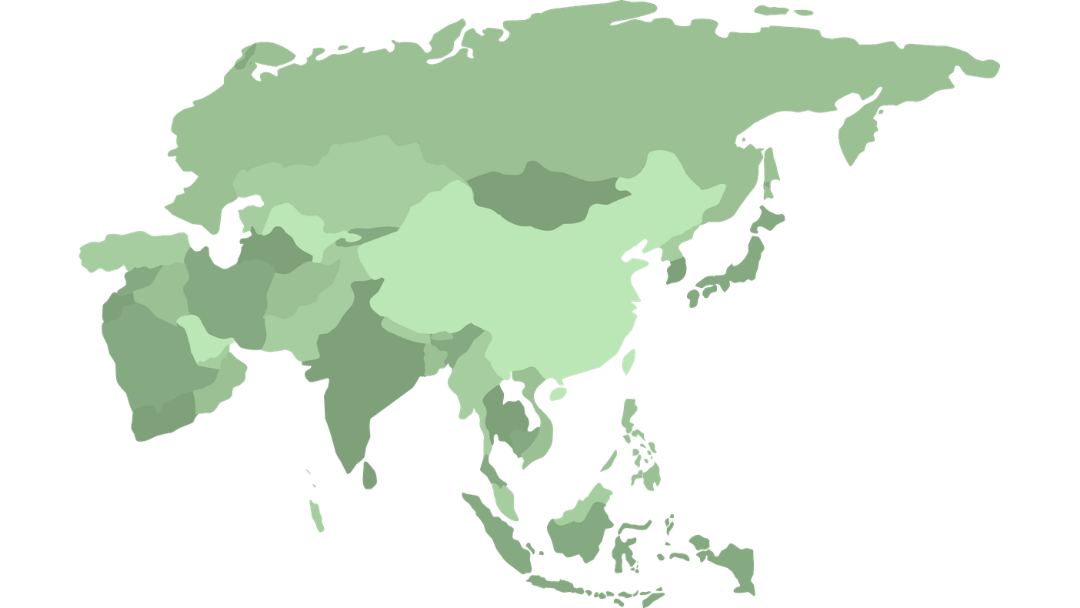
I did my INMED trip in my 4th year of medical school and went to Fatehpur, India in January of 2013, which was a wonderful experience. Currently I work in family medicine with obstetrics and deliver babies. I gained so much experience with obstetrics while on my service-learning trip. I helped deliver low risk patients with the nurses in the maternity ward. I saw severe complications that I have never seen in the United States, like uterine rupture and eclampsia. I was able to scrub in on numerous c-sections and hone my surgical skills. I even helped with other surgeries like gigantic 1 Liter filled hydroceles. In the clinic, I did ultrasounds of the babies. I tell people, I don’t know how to identify the sex on ultrasound as it that is not allowed in India! All these experiences helped develop my skill in medicine and further my interest in obstetrics. I still consider it a trip of a lifetime.